
UF Quest at University of Florida
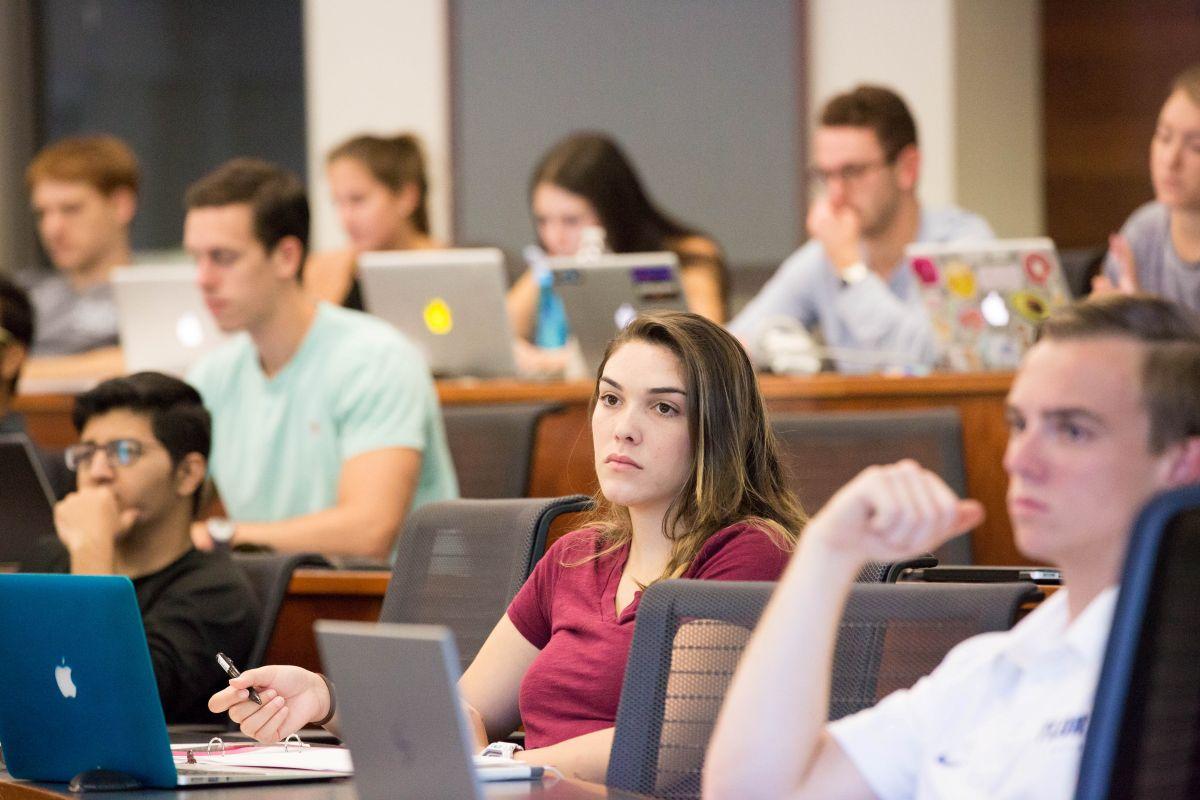
UF Quest is the University of Florida’s signature core education program, a transformational, four-part sequence of interdisciplinary learning experiences that challenge students to wrestle with life’s most important questions, explore real-world issues through a scientific lens, apply their learning in the world, and reflect on how their education shapes who they are becoming.
Grounded in a vision of liberal education as preparation for thoughtful adulthood and lifelong learning, UF Quest reimagines general education as a site for development of student’s sense of identity, purpose and belonging. Across Quest 1 and 2 courses, students engage with essential and timely questions in small, faculty-led, discussion-based courses that model intellectual curiosity and foster personal reflection. Quest 3 expands these themes into experiential learning at least a semester long in one of 5 areas. Quest 4, currently in development, will offer opportunities for integrative synthesis within the student’s major.
Problem / Rationale
Before Quest, UF’s core education experience often lacked coherence or meaningful connection to students’ lives. Many students, especially those entering large research institutions, felt anonymous in large lecture courses and struggled to identify purpose in their education. Survey data revealed that:
Only 24% of UF students reported having a professor who knew their name "very often."
Over half had never worked with a faculty member outside class.
On average, UF students knew fewer than one faculty member well enough to ask for a letter of recommendation.
UF Quest was created to address these gaps by:
Fostering early, meaningful faculty-student engagement
Replacing passive learning with critical thinking and discussion
Making the undergraduate curriculum more interdisciplinary, experiential, and student-centered
Ensuring every student wrestles with open-ended, consequential questions early in their college career
How It Works
UF Quest is woven across the undergraduate experience at the University of Florida through a structured, four-part sequence of interdisciplinary courses and applied learning experiences. Students begin with Quest 1 and Quest 2, small, discussion-based classes rooted in the humanities and sciences, respectively, that encourage critical thinking, self-reflection, and intellectual curiosity. Quest 3 builds on these themes through a mentored, semester-long experiential learning opportunity in research, community or public service, internships, study abroad/global engagement, or design/creative endeavors. A final component, Quest 4, will integrate students’ learning back into their disciplines, promoting synthesis and self-authorship. Faculty across colleges and departments design Quest courses around big, open-ended questions with real-world relevance. The program is supported by a robust infrastructure of faculty learning communities, curricular task forces, and a centralized assessment strategy to ensure continuity and long-term impact.
Quest 1: The Human Condition
- Interdisciplinary courses rooted in the humanities
- Pose enduring questions such as:
- What makes life worth living?
- What does a just society look like?
- Courses include connection, reflection and experiential learning, often through literature, art, history, and philosophy
Example courses: Why Tell Stories?, The Long Civil Rights Movement, The Search for Meaning in a Secular Age
Quest 2: Real-World Challenges
- Interdisciplinary courses grounded in the biological, physical, and social sciences
- Address practical challenges like:
- Climate change
- Social media and identity
- Algorithmic bias
- Courses include experiential learning, reflection and connection
- Students ask: What can we do?
Example courses: Algorithms: Uses and Abuses, Exercise as Medicine, Knowledge and the Universe
Quest 3: Experiential Learning (Underway)
- Students complete a semester-long experience in one of five areas:
- Undergraduate research
- Internships
- Public/community service
- Study Abroad/Global engagement
- Design/creative endeavors
- Connects academic learning to the world beyond campus
Quest 4: Synthesis (In Development)
- Will integrate themes from Quest 1–3 within the major
- Aims to help students reflect on who they have become and where they’re headed
Pedagogical Pillars
- Small class sizes
- Interdisciplinary exploration
- Faculty-designed, discussion-based inquiry
- Self-reflection and intellectual risk-taking
- Community building across differences
How It Was Implemented
UF Quest emerged from nearly a decade of faculty-led design, beginning with a humanities course called What Is the Good Life? and culminating in a university-wide curriculum overhaul:
- 2016–2019: Four task forces, 100+ faculty, multiple retreats, and student town halls guided development
- 2019: Faculty Senate approved the first wave of Quest 1 and 2 pilots
- 2020–2021: Quest 1 and 2 requirements phased in
- 2023: Quest 3 pilot and faculty learning community launched; Quest 4 under development
UF ensured buy-in at every level: provost, deans, faculty senate, student affairs, advising, and even state legislators. Through careful scaffolding, storytelling, and data-informed design, the program was embraced as a signature component of UF’s undergraduate identity.
Assessment & Evidence
To assess whether UF Quest courses are delivering on their core pedagogical “non-negotiables” (that classes are student-centered, foster engagement, ensure every student is known, and cultivate intellectual curiosity) UF administers a Qualtrics-based student survey alongside standard course evaluations. In Spring 2023 and Fall 2024, approximately 1,000 students (out of ~6,000 enrolled each semester) responded to this survey across Quest 1 and Quest 2 courses. Survey items are measured on a 1–5 Likert scale, with 5 indicating “strongly agree.”While responses are not tied to specific courses and there is not yet a comparison group of non-Quest classes, the data provide an early directional view of student experience within the program.
Results suggest that Quest courses are successfully advancing key dimensions of student-centered learning and engagement. Students reported high levels of active participation in their learning (4.44) and strong agreement that courses helped them build new knowledge on prior understanding (4.30). Measures of faculty interaction were also notably strong, with students reporting frequent opportunities to engage with instructors (4.31) and meaningful learning through those interactions, alongside relatively high agreement that instructors knew them as individuals (3.90).
Importantly, the data also point to meaningful gains in intellectual curiosity and relevance. Students reported increased curiosity about the world (3.99) and a strong likelihood of recommending their course to others (4.04). Many also indicated that their coursework made meaningful connections to their lives and the world around them (3.88), reinforcing Quest’s emphasis on connecting academic content to real-world questions and personal development.
Findings suggest that Quest is making measurable progress toward its goals of fostering engaged, relational, and curiosity-driven learning environments. These results are being used to inform ongoing course design and faculty development, with future assessment efforts aimed at incorporating comparison groups and aligning more directly with long-term outcomes.
Scope & Scale
- Over 200 Quest 1 and 2 courses have been developed to date
- 19,612 students have taken Quest 1; 11,181 students have taken Quest 2
- In 2022–2023 alone, 18,000+ students enrolled in Quest courses
Student Impact
- Quest 1: 32% of courses rated above 4.25 in overall course evaluations
- Quest 2: 41% rated above 4.25
- Student reflections reveal deep learning:
- “Every story…has deep-rooted ties to all aspects of being human…Stories teach us about who we were, who we are, and who we hope to become.” - UF student in “Why Tell Stories?”
Ongoing Development
- Quest 3 requirement is in place for select majors and will be implemented for approximately 80% of majors by August 2026, with 100% on board by August 2027
- UF is designing a formal assessment platform aligned with Gallup Big Six metrics and long-term learning outcomes
Scalability
UF Quest is a full-scale, public research university model for integrating reflection, belonging, and purpose into the core undergraduate curriculum. Its key features—modular course design, faculty ownership, interdisciplinary themes, and experiential learning—are adaptable for a range of institutional types.
The program has inspired similar initiatives and is regularly cited as a national exemplar in general education reform.
Contact
Rick Stepp
Interim Director, UF Quest; Professor of Anthropology and Latin American Studies
stepp@ufl.eduMore in Classroom-Based Innovation
Lehigh360 at Lehigh University
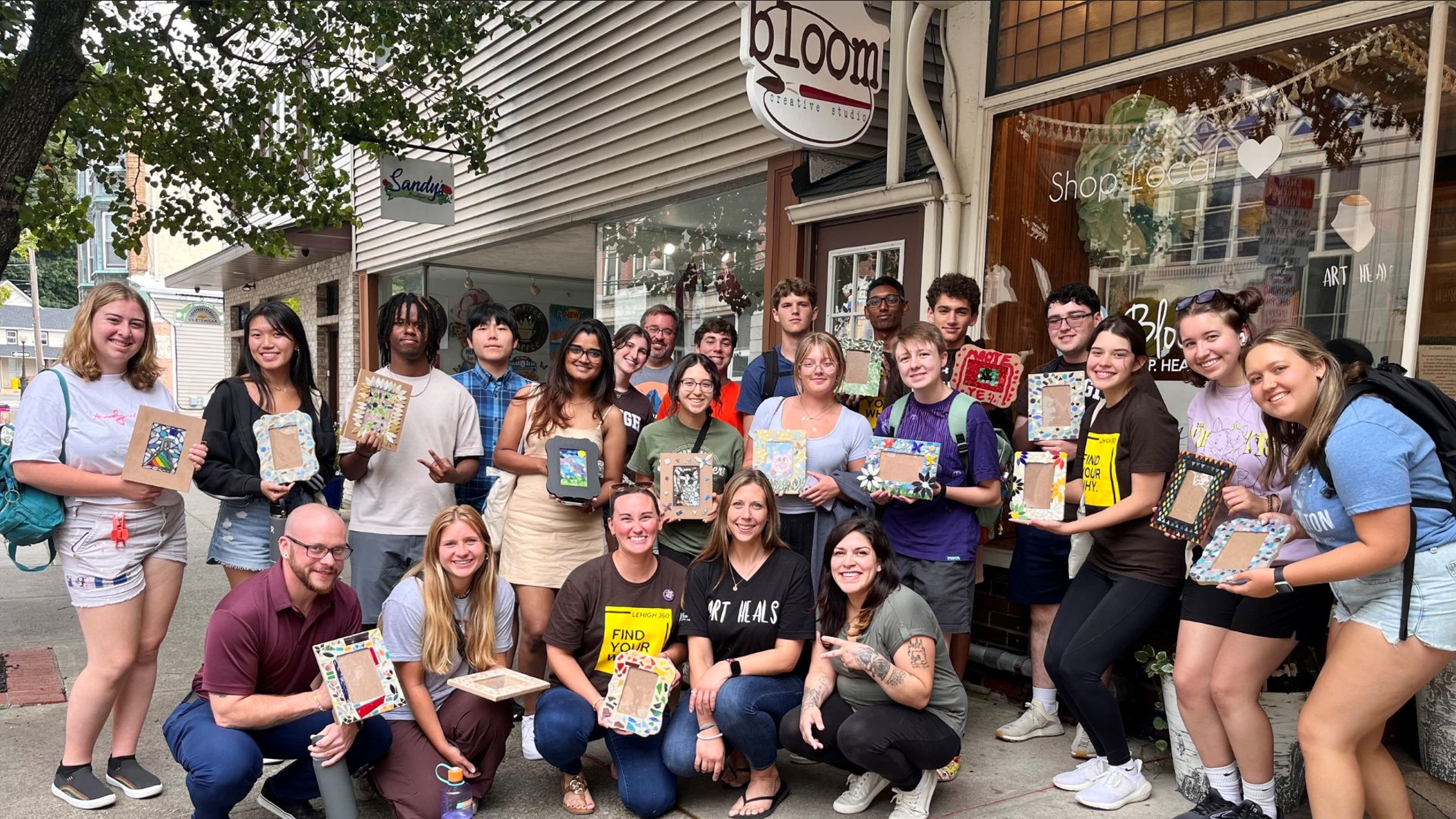
Lehigh360 is a university-wide initiative that helps students discover and make the most of high-impact learning practices (HILPs) across campus. The primary component of Lehigh360, in addition to advising and support, is a searchable database that aggregates and organizes potential HILPs for students to explore their purpose and find ways of living it out in […]
Lehigh University

BentleyPlus at Bentley University
BentleyPlus is a wellbeing initiative at Bentley University rooted in competency development. The program helps students develop 10 core competencies, including community exploration, problem solving, leadership, and wellbeing, through advising, reflection, and a range of co-curricular experiences. These skills and habits are designed to support career readiness while also fostering the identity, resilience, and sense […]
Bentley University
Engelhard Project for Connecting Life and Learning at Georgetown University
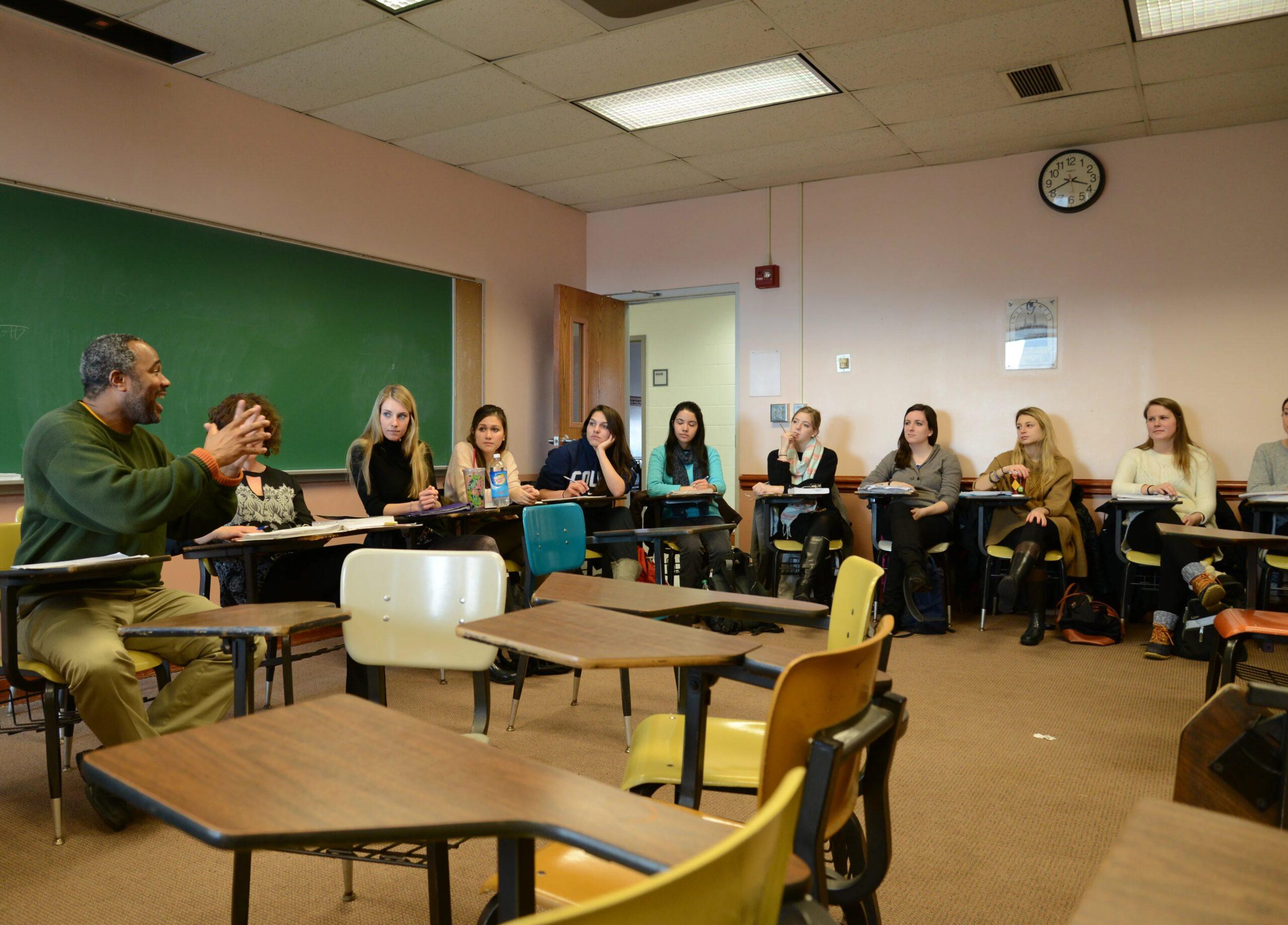
The Engelhard Project for Connecting Life and Learning at Georgetown University integrates health and wellbeing into the academic curriculum through a model of curriculum infusion, reflective pedagogy, and cross-campus partnership. Faculty across disciplines embed structured opportunities for reflection, dialogue, and engagement with wellbeing topics directly into their courses, in collaboration with campus resource professionals. Since […]
Georgetown University