
Engelhard Project for Connecting Life and Learning at Georgetown University
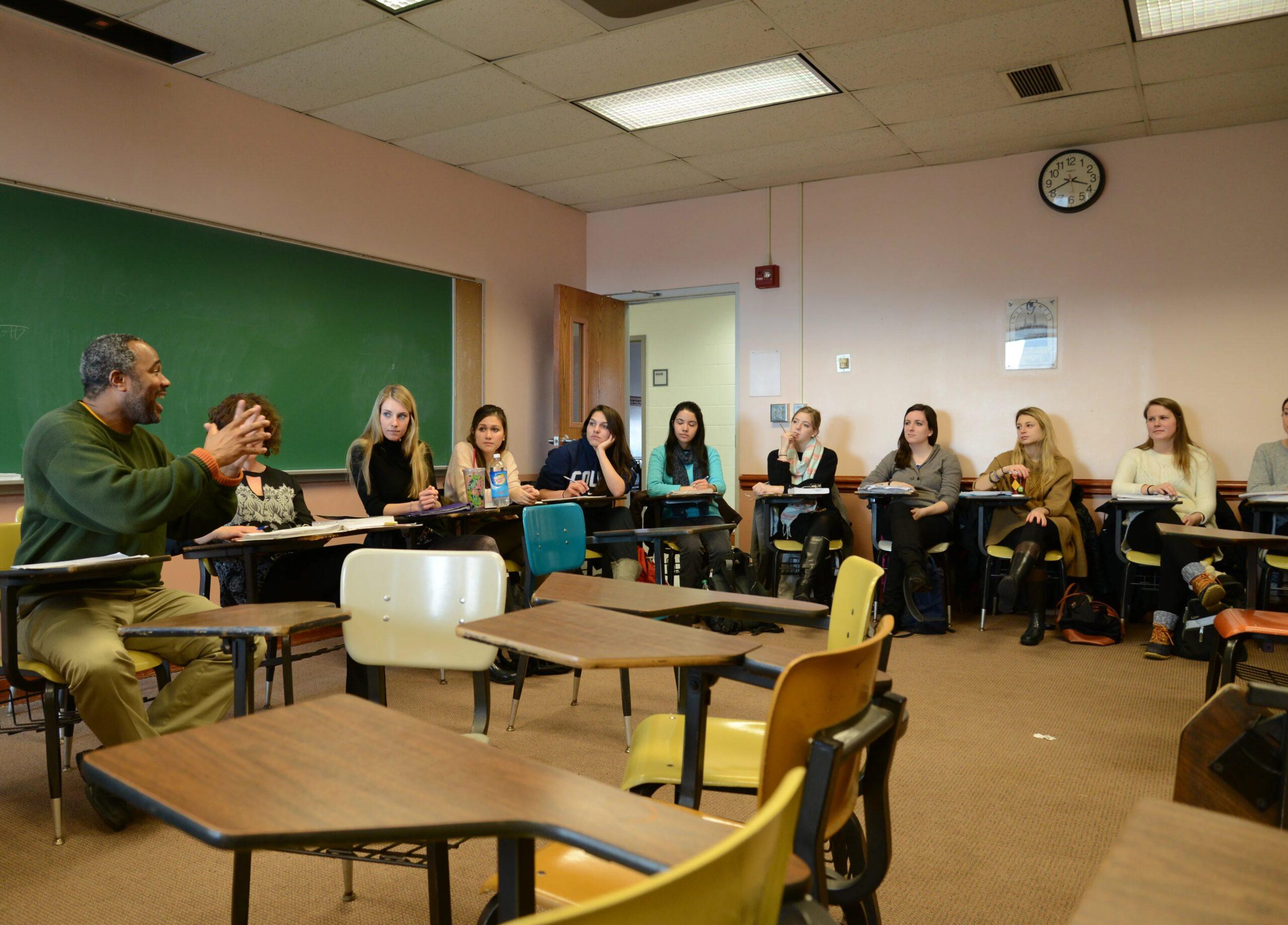
The Engelhard Project for Connecting Life and Learning at Georgetown University integrates health and wellbeing into the academic curriculum through a model of curriculum infusion, reflective pedagogy, and cross-campus partnership. Faculty across disciplines embed structured opportunities for reflection, dialogue, and engagement with wellbeing topics directly into their courses, in collaboration with campus resource professionals.
Since its launch in 2005, the Engelhard Project has transformed more than 400 undergraduate courses, engaged over 200 instructional faculty and 100 campus partners, and reached more than 16,000 students. The program is now embedded across the undergraduate experience and serves as a sustained, institution-wide approach to connecting academic learning with student wellbeing.
Problem and Rationale
Colleges and universities often separate personal wellbeing from intellectual inquiry and have traditionally addressed student wellbeing through services and co-curricular programs, often separate from the academic experience. At the same time, rising concerns about student mental health and engagement have highlighted the limitations of this approach.
The Engelhard Project was launched to explore whether integrating wellbeing into academic courses, not just through student support services, could strengthen both learning and student support. The model is grounded in research showing that factors such as belonging, faculty relationships, and opportunities for reflection are closely tied to student success, persistence, and wellbeing.
By embedding these elements into the curriculum, the Engelhard Project positions wellbeing as part of the learning process rather than an add-on. Engelhard courses recognize that students bring their full selves into the classroom, and that their ability to learn is inextricably linked to their mental, emotional, and social health.
How the Initiative Works
The Engelhard Project operates by integrating wellbeing into existing undergraduate courses through structured collaboration between faculty and campus resource professionals. Faculty voluntarily designate their courses as Engelhard Courses and incorporate key components, including a guest engagement from a wellbeing expert, a reflective assignment connecting course content to students’ lives, and ongoing discussion that links academic material to broader questions of identity, purpose, relationships, and resilience. Courses span disciplines and are adapted to each instructor’s approach, while maintaining a consistent set of core elements. The project is run out of the university Teaching and Learning Center, which has a mission to support faculty teaching across all disciplines. This course-based model is supported by a broader ecosystem that includes faculty development, campus partnerships, and co-curricular programming, reinforcing a coordinated, institution-wide approach to student wellbeing.
Core Components
Engelhard Courses
- Faculty integrate wellbeing-related topics into existing courses, including stress and mental health, identity and belonging, purpose and meaning, and relationships and resilience.
- Each course includes a guest session led by a campus resource professional.
- Each course includes a structured reflective assignment.
- Ongoing discussion connects course content to students’ lived experience.
- Courses are offered across disciplines and adapted to individual instructors.
Campus Partnerships
- Faculty partner with campus resource professionals to design and deliver course components.
- Key partners include Counseling and Psychiatric Services, Health Education Services, Campus Ministry, career services, and student affairs units.
- These partnerships connect students to resources in an academic context.
Faculty Development and Support
- Faculty participate in a structured model such as Engelhard Faculty Fellows.
- Ongoing opportunities include teaching conversations on wellbeing and pedagogy.
- Training is provided to support students in distress.
Student Engagement
- Students engage through course-based reflection and discussion.
- A Student Advisory Council provides input on programming and student experience.
Program Expansion
- The model has expanded to Georgetown’s Doha campus, adapting the course-based approach in a global context.
How It Was Implemented
Phase 1: Early Faculty-Led Experimentation (2005–2007)
The Engelhard Project began with a small group of faculty exploring how to connect students’ academic learning with their lived experiences, particularly around issues of health and wellbeing. The initial model emerged from existing teaching practices in which faculty intentionally incorporated students’ interests, experiences, and challenges into course discussions. Early efforts were supported by a grant from the Bringing Theory to Practice initiative, which focused on the intersection of student wellbeing, engaged learning, and civic development.
Phase 2: Program Design and Early Scaling (2008–2013)
Building on early success, Georgetown formalized the initiative through the creation of the Engelhard Faculty Fellows program. Faculty, student affairs professionals, and campus leaders collaborated to establish a simple and scalable model centered on three core elements: integrating a wellbeing-related topic into a course, partnering with a campus resource professional, and incorporating a reflective assignment. Institutional support, including multi-year external funding and leadership from both academic and student affairs, enabled the program to expand across disciplines while maintaining a low barrier to faculty participation.
Phase 3: Institutionalization and Continued Growth (2014–Present)
The Engelhard Project has since become an established part of the undergraduate experience at Georgetown. Ongoing faculty recruitment and support, including orientation, workshops, and a community of practice, have helped sustain participation across departments. The program has maintained a flexible structure that allows faculty to adapt the model to their courses while preserving core components. Over time, the initiative has expanded its partnerships across campus, deepened its integration into teaching and learning, and extended to Georgetown’s Doha campus, demonstrating adaptability across contexts.
Assessment & Evidence
Scale and Reach
- More than 400 undergraduate courses transformed
- More than 16,000 students reached
- Over 200 instructional faculty and 100 campus resource experts engaged
Observed Outcomes
- Increased student engagement, participation in class discussions, and stronger academic performance
- Stronger student-faculty and student-student relationships
- Greater student awareness of and connection to campus resources
- Increased willingness among students to reflect on personal experiences in an academic context
- In this short video, Georgetown students talk about the impact Engelhard courses have had on them.
Voices from the Engelhard Project
Engelhard students say:
- “I saw many connections between course content and my life as a whole, something that . . . helped facilitate my learning and emphasize the importance of the material.”
- “I think what set this course apart from all my other ones was the connection I was able to make with my classmates, the professor and the TA’s.”
Engelhard faculty share:
- “The connection with students was strengthened; they felt open and hopefully felt I truly am concerned about not just what they’re learning but also about their well-being.”
- “They see or realize or understand that someone cares. I think back to my own undergraduate days and I didn’t have that feeling at all and I think it would have been beneficial. . . . . We care about them as individuals.”
- “Once an Engelhard person, always.”
- “Engelhard gave me the framework and language not only to rethink my pedagogy—to meet the challenges of the pandemic—but also to take better care of myself (so that I could better care for others).”
Engelhard Campus Resource Professionals note:
- “I think Engelhard is one of the greatest outreach programs we offer on this campus. It’s not immediate - but then you plant this seed that’s harvested over time. I’ve had many students come in and say, “you came into my Engelhard class a year ago, and now I want to follow up.”
- “Through Engelhard, I work around resilience with students I wouldn’t normally see. Students learn to carry out behaviors and practice their values. It has been great to get out of my office, and join in more with the campus community.”
- “We are part of a much bigger team. It’s not just on us, the clinicians, but this work of well-being is integrated into the mission and culture of the institution.”
Scalability
The Engelhard model is designed to be adaptable across disciplines and institutions. Its core components, including faculty-led course integration, structured reflection, and partnership with campus resource professionals, can be implemented without requiring major curricular redesign.
At Georgetown, the model has scaled through a consistent course structure, faculty participation across departments, and strong collaboration between academic and student affairs. This approach demonstrates how integrating wellbeing into existing courses can lead to sustained, institution-wide impact.
Contact
More in Classroom-Based Innovation
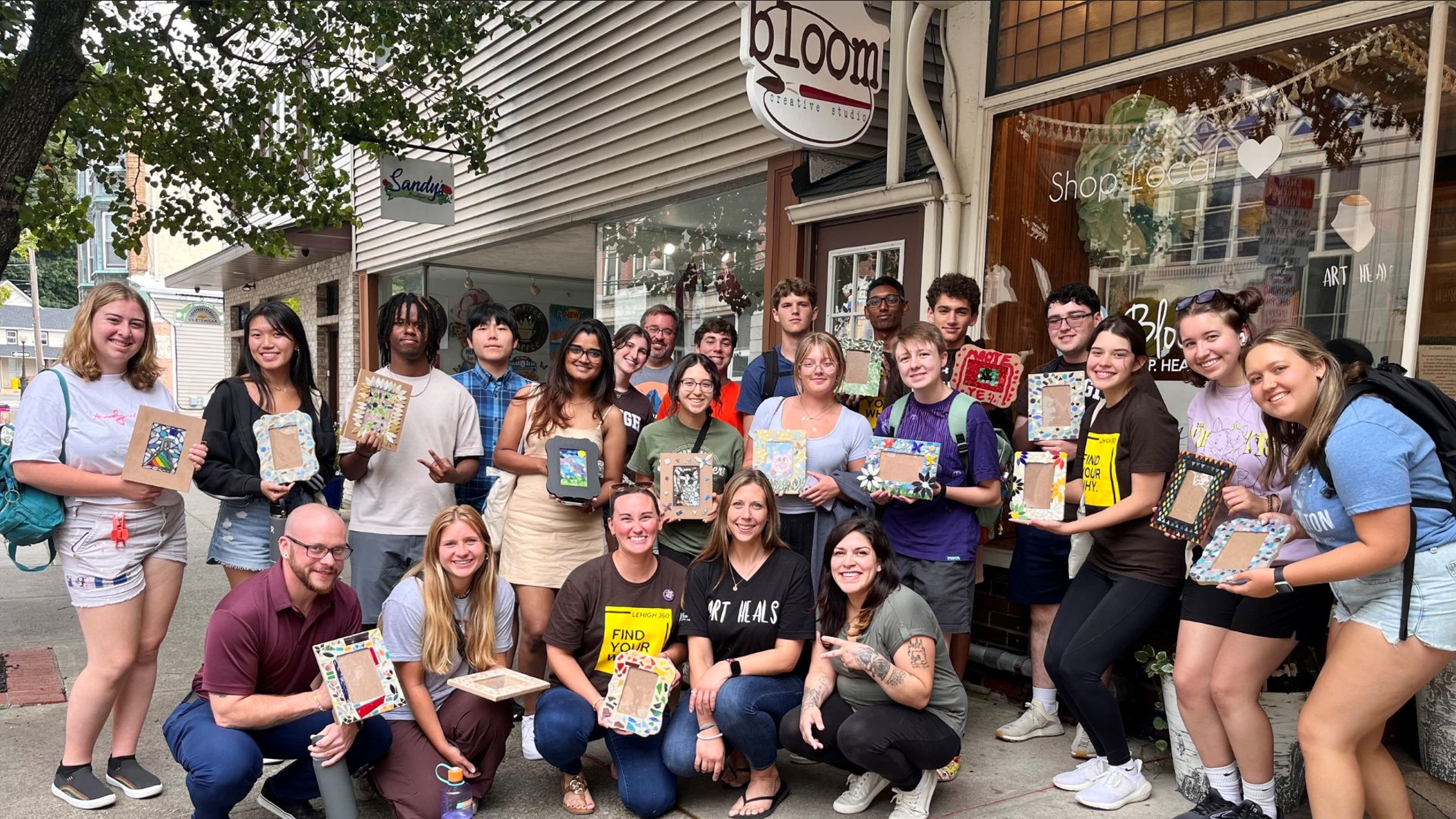
Lehigh360 at Lehigh University
Lehigh360 is a university-wide initiative that helps students discover and make the most of high-impact learning practices (HILPs) across campus. The primary component of Lehigh360, in addition to advising and support, is a searchable database that aggregates and organizes potential HILPs for students to explore their purpose and find ways of living it out in […]
Lehigh University

BentleyPlus at Bentley University
BentleyPlus is a wellbeing initiative at Bentley University rooted in competency development. The program helps students develop 10 core competencies, including community exploration, problem solving, leadership, and wellbeing, through advising, reflection, and a range of co-curricular experiences. These skills and habits are designed to support career readiness while also fostering the identity, resilience, and sense […]
Bentley University
UF Quest at University of Florida
UF Quest is the University of Florida’s signature core education program, a transformational, four-part sequence of interdisciplinary learning experiences that challenge students to wrestle with life’s most important questions, explore real-world issues through a scientific lens, apply their learning in the world, and reflect on how their education shapes who they are becoming.Grounded in a […]
University of Florida